.svg)
Thank you.
We will get back to you shortly with an answer.
.svg)
Solutions
Systems for comprehensive airspace protection and battle management.
Frequently asked questions
FAQ
What types of drones can Specter EW systems suppress?

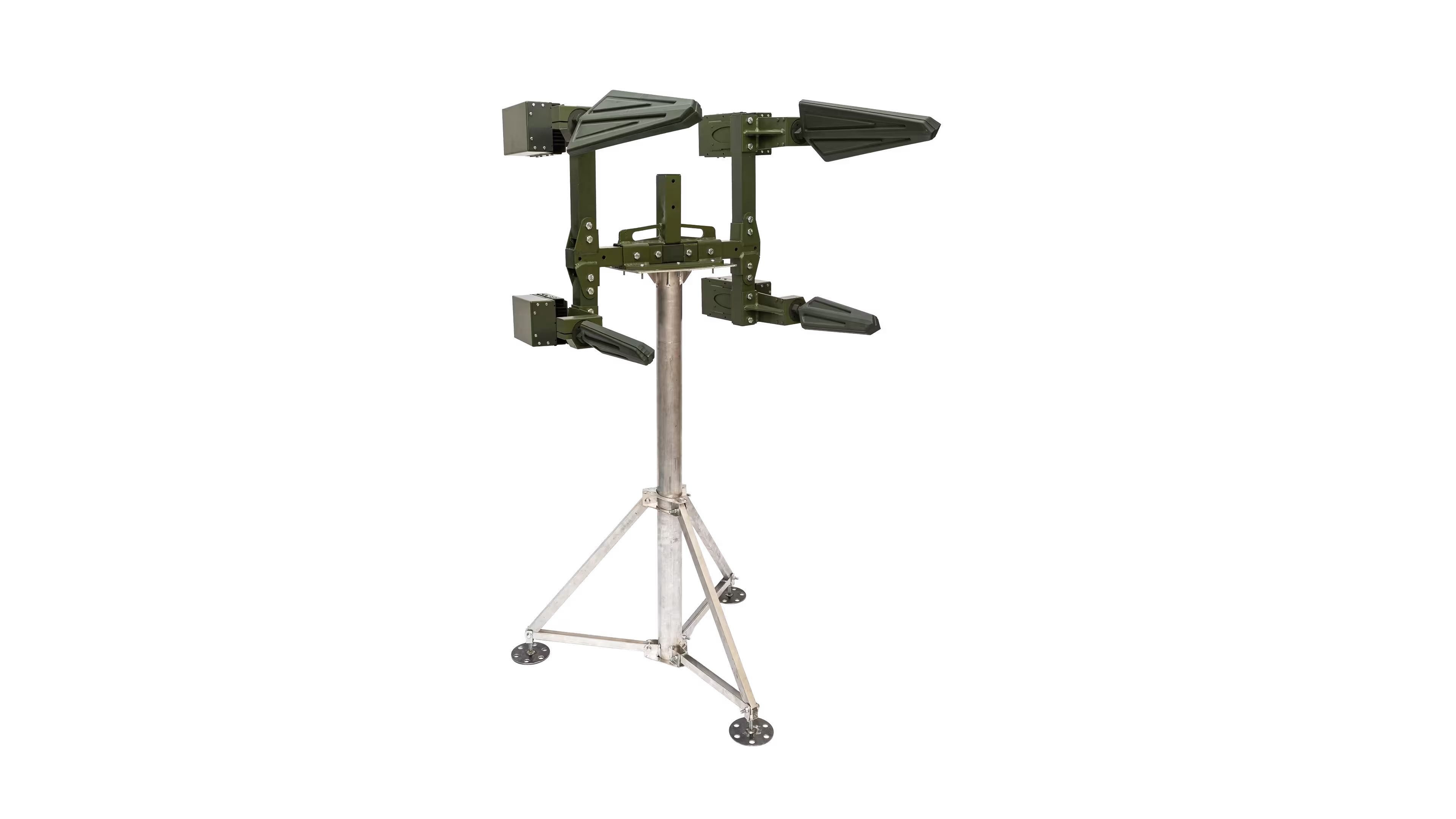
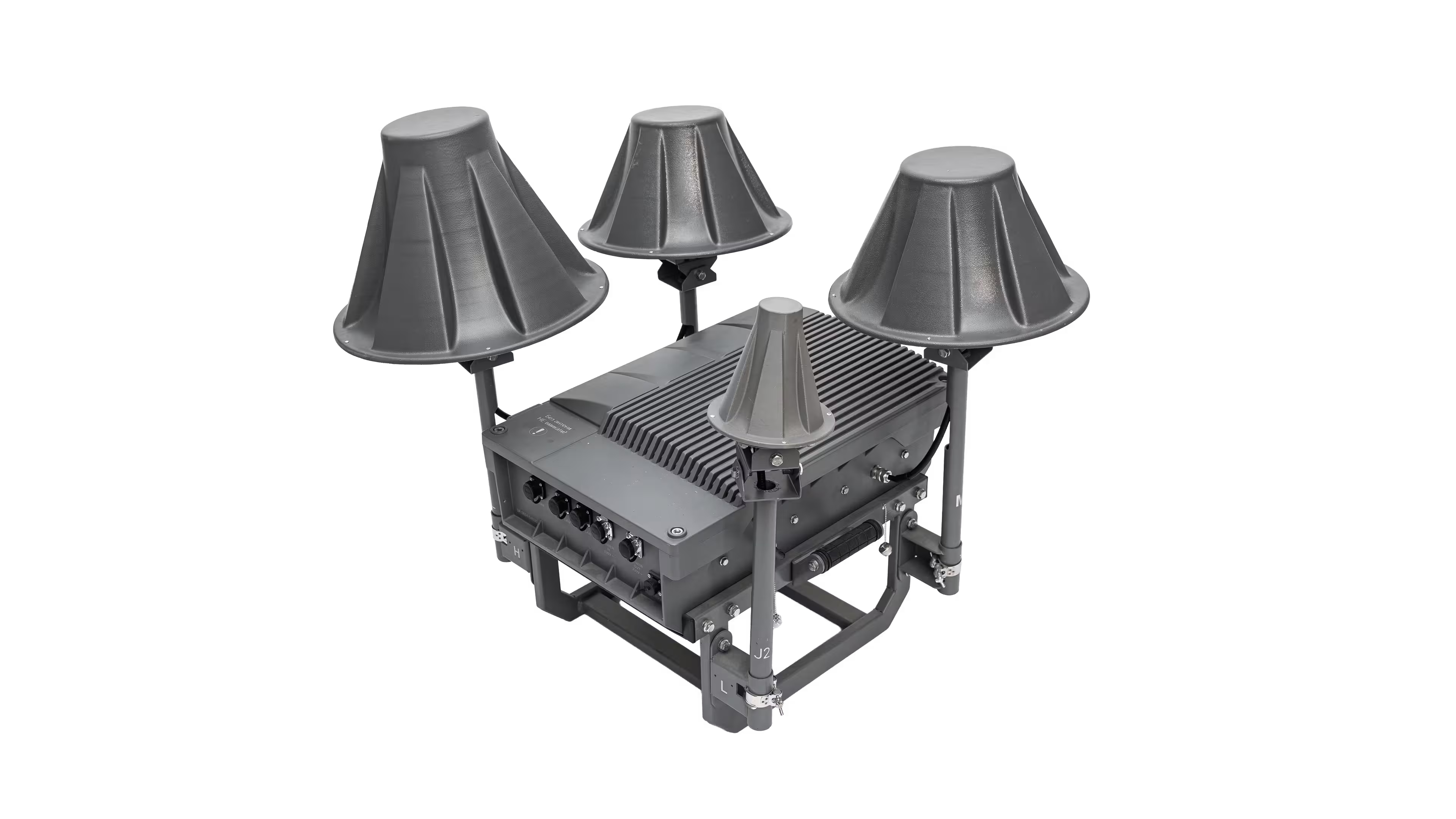
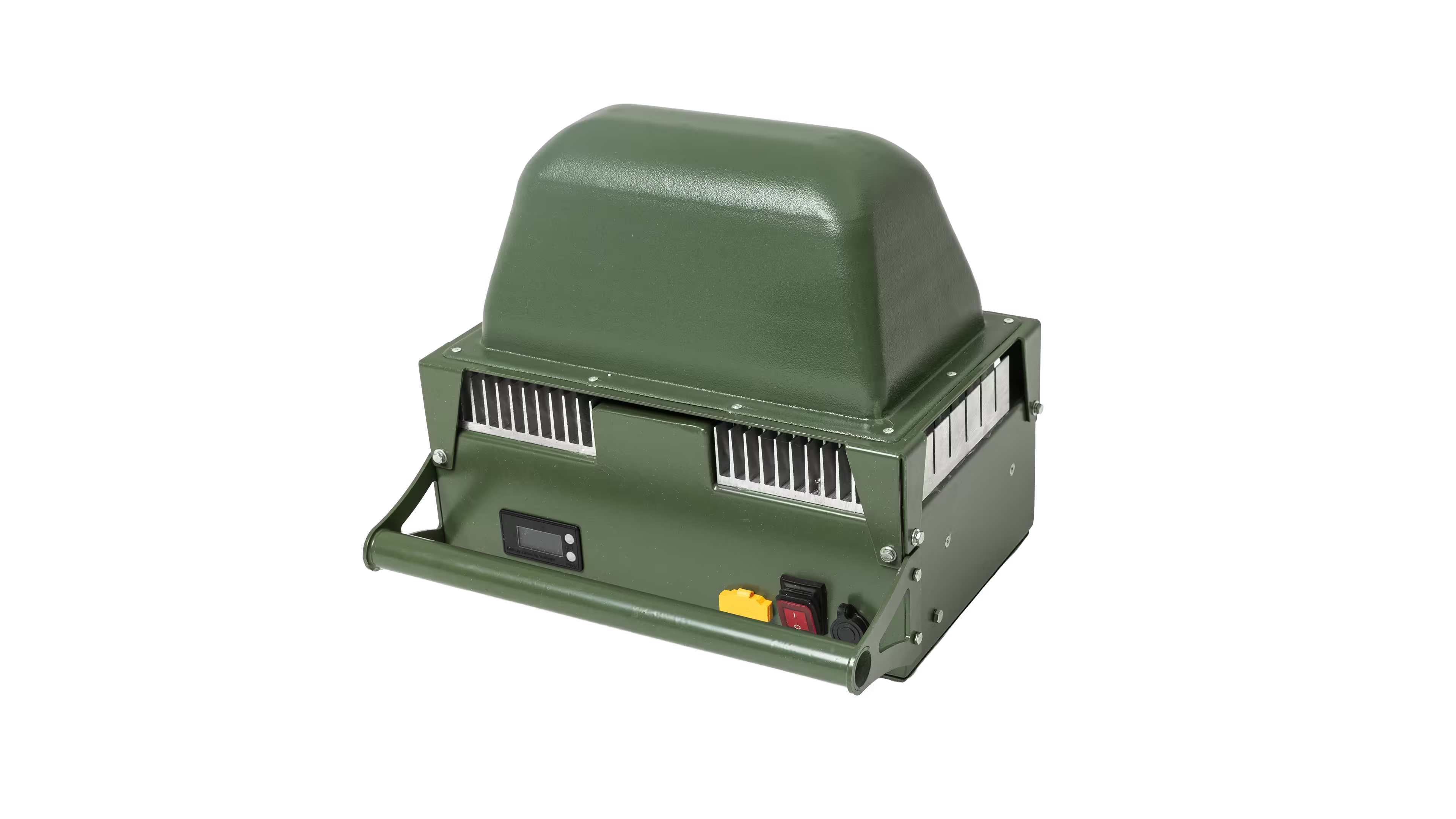
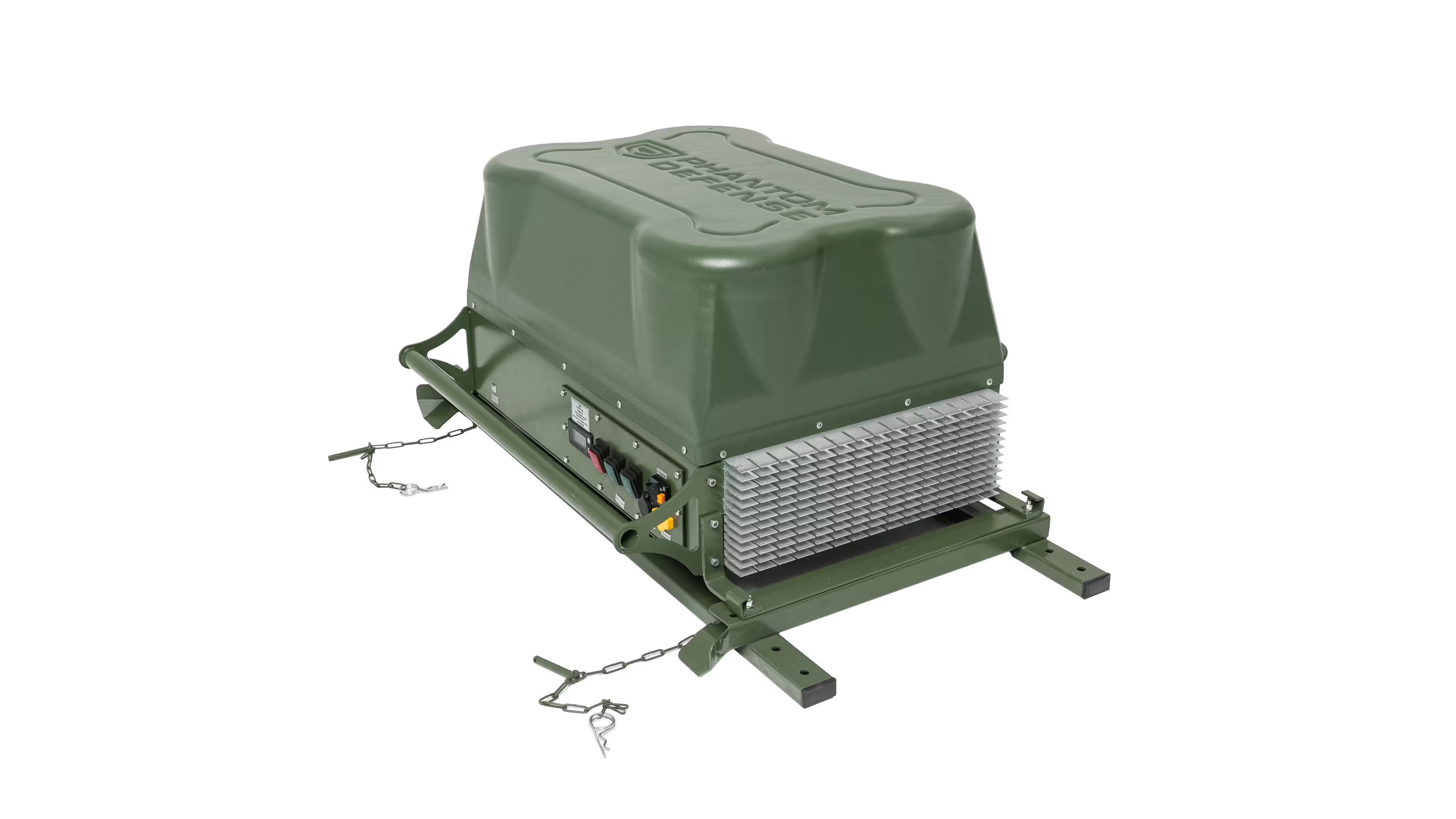
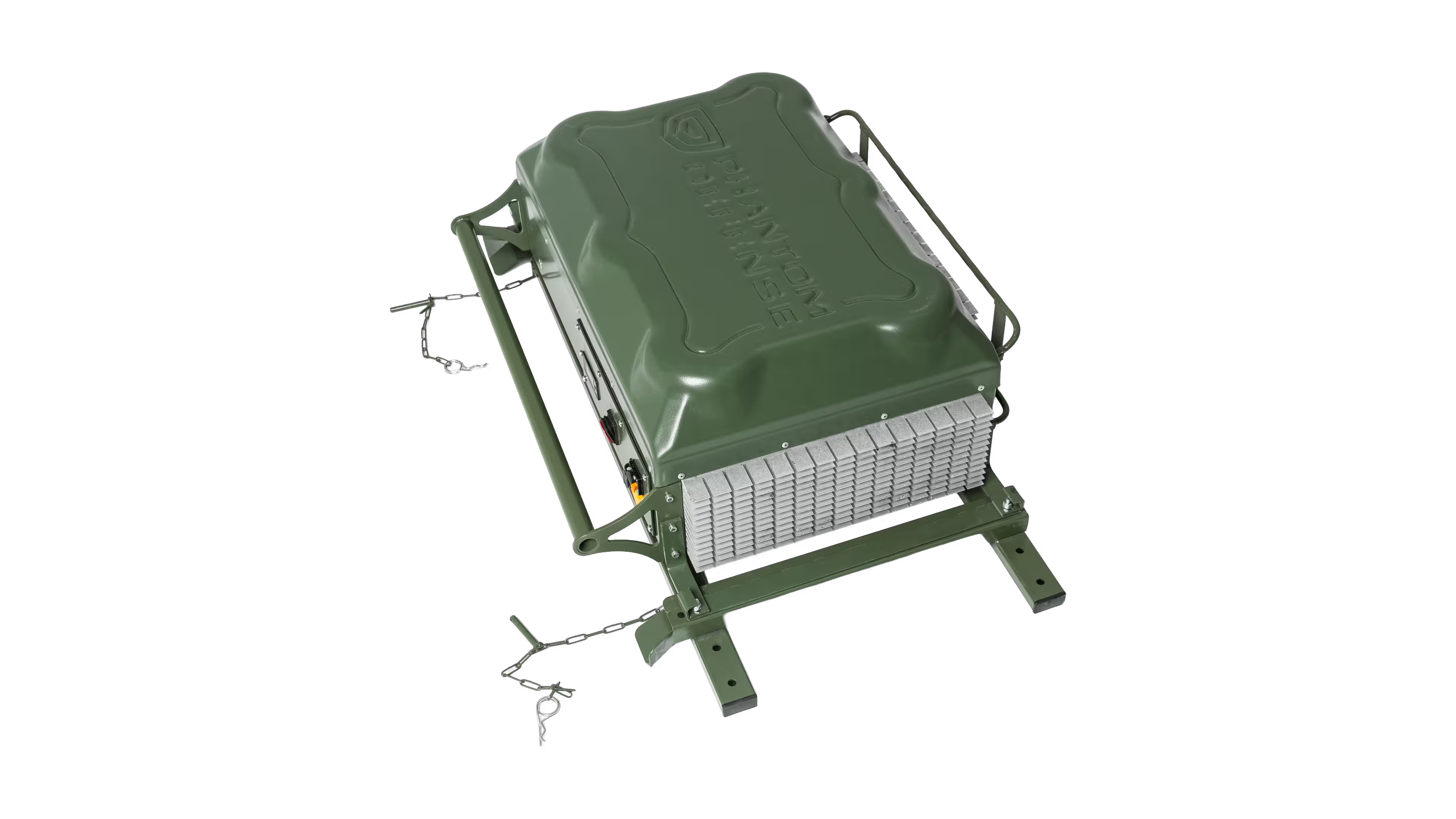
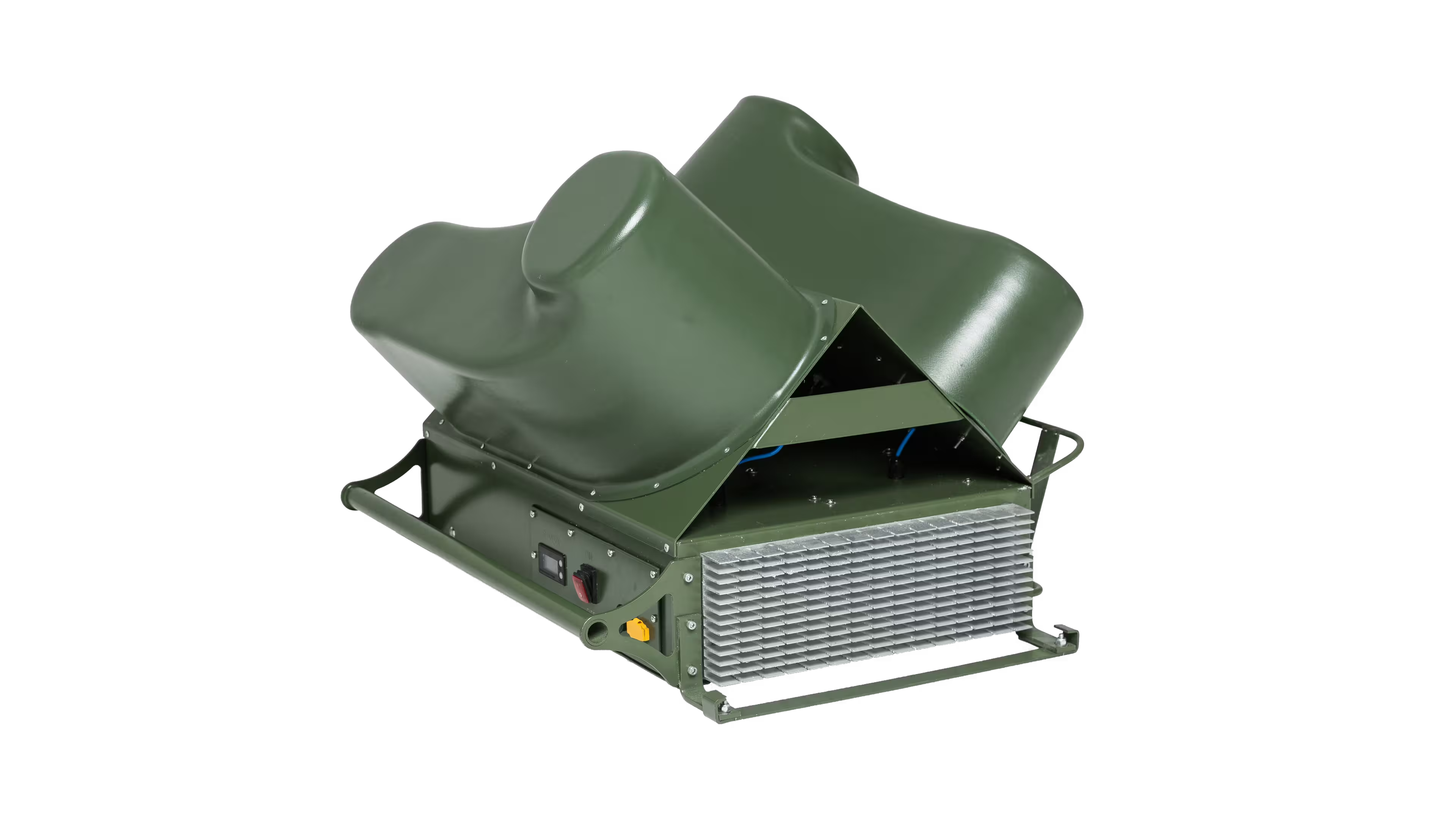
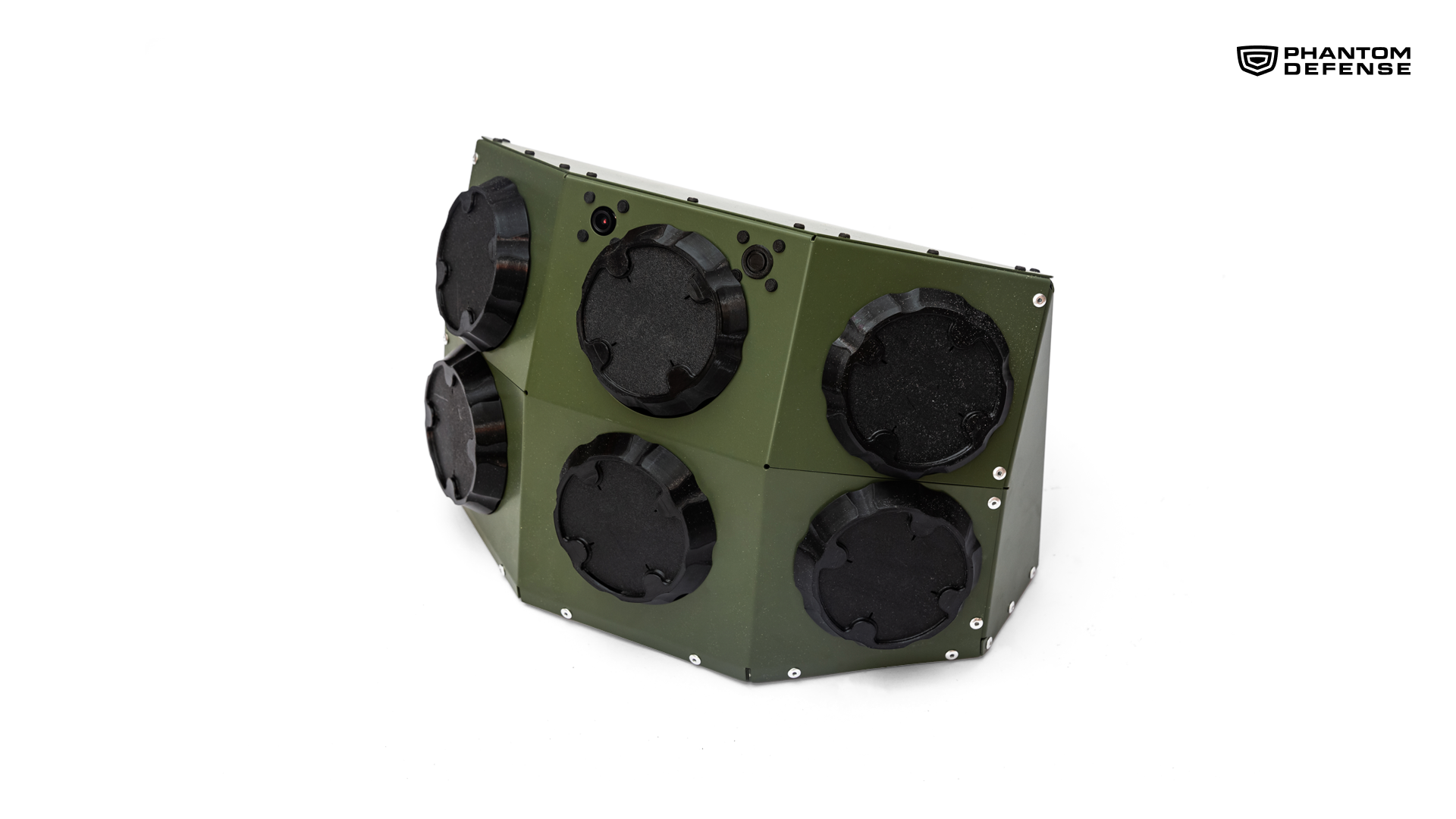
The Specter Family is designed to counter radio-controlled UAVs across various frequency bands. The specific model is selected according to the threat type and operating frequencies.
What frequencies do Specter systems cover?
Depending on the model, from 300 MHz to 5.8 GHz. The family includes wideband, multi-band, and compact dual-band solutions.
Which Specter model should I choose for my task?
The choice depends on the threat frequencies, the required mobility, and the mode of use — portable, vehicle-mounted, or stationary.
Can Specter be used to protect vehicles on the move?
Yes. The systems can be vehicle-mounted and used by mobile units.
How long can Specter operate on battery power?
Depending on the configuration, the systems provide up to 2 hours of battery operation and can be powered from the vehicle's onboard power supply.
Can Specter be integrated with radars into a single system?
Yes. Specter can be part of a comprehensive C-UAS layer together with detection, interception, and C2 assets.
Frequently asked questions
FAQ
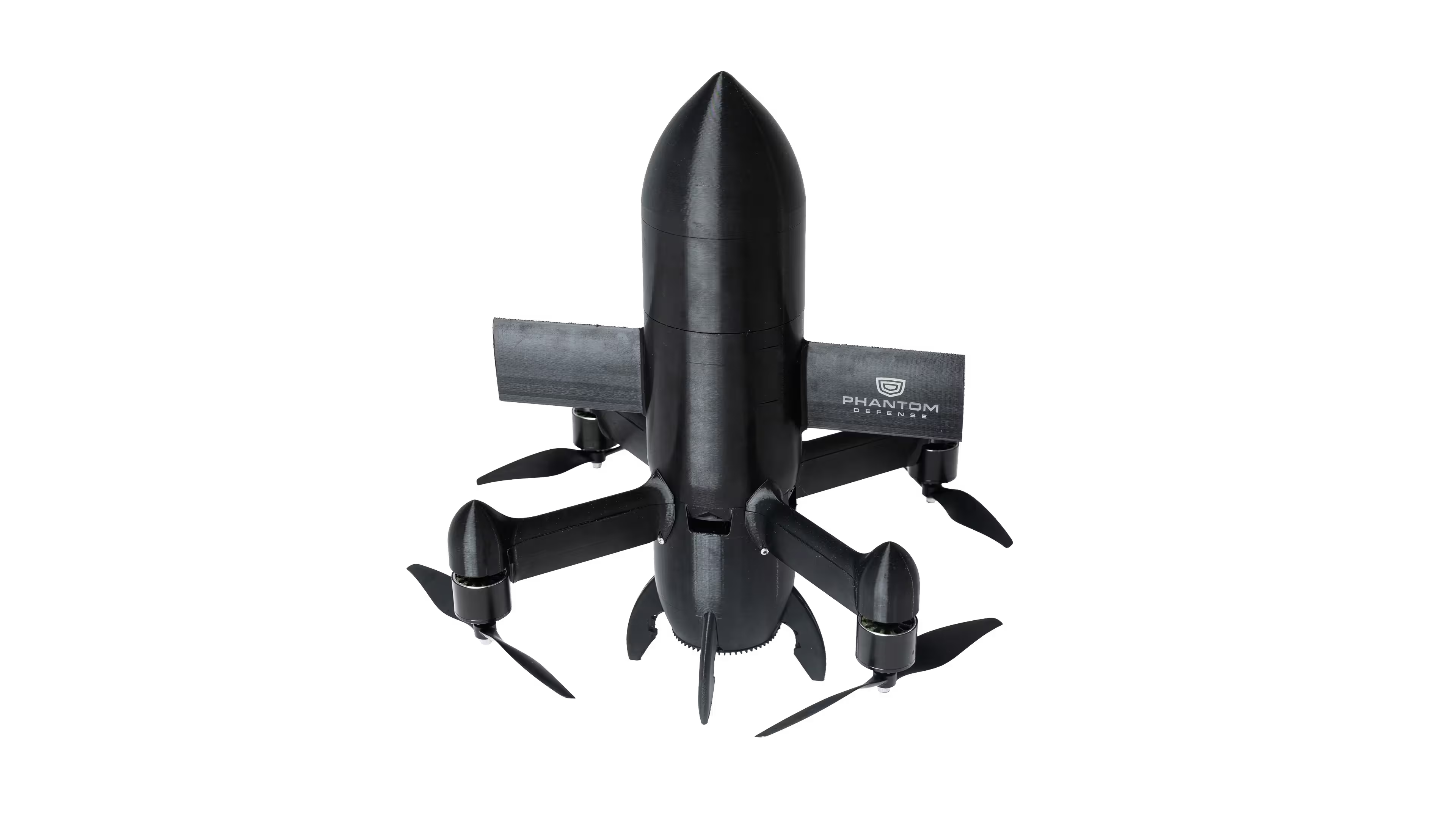
Which interceptor is suited to countering Shahed drones?
Blade was developed primarily for the rapid interception of Shahed-type strike UAVs and reaches speeds of up to 310 km/h.
What are the range and speed of the Blade interceptor drone?
Blade has a flight range of up to 30 km and a maximum speed of up to 310 km/h.
Which interceptor is suited to extended airspace patrols?
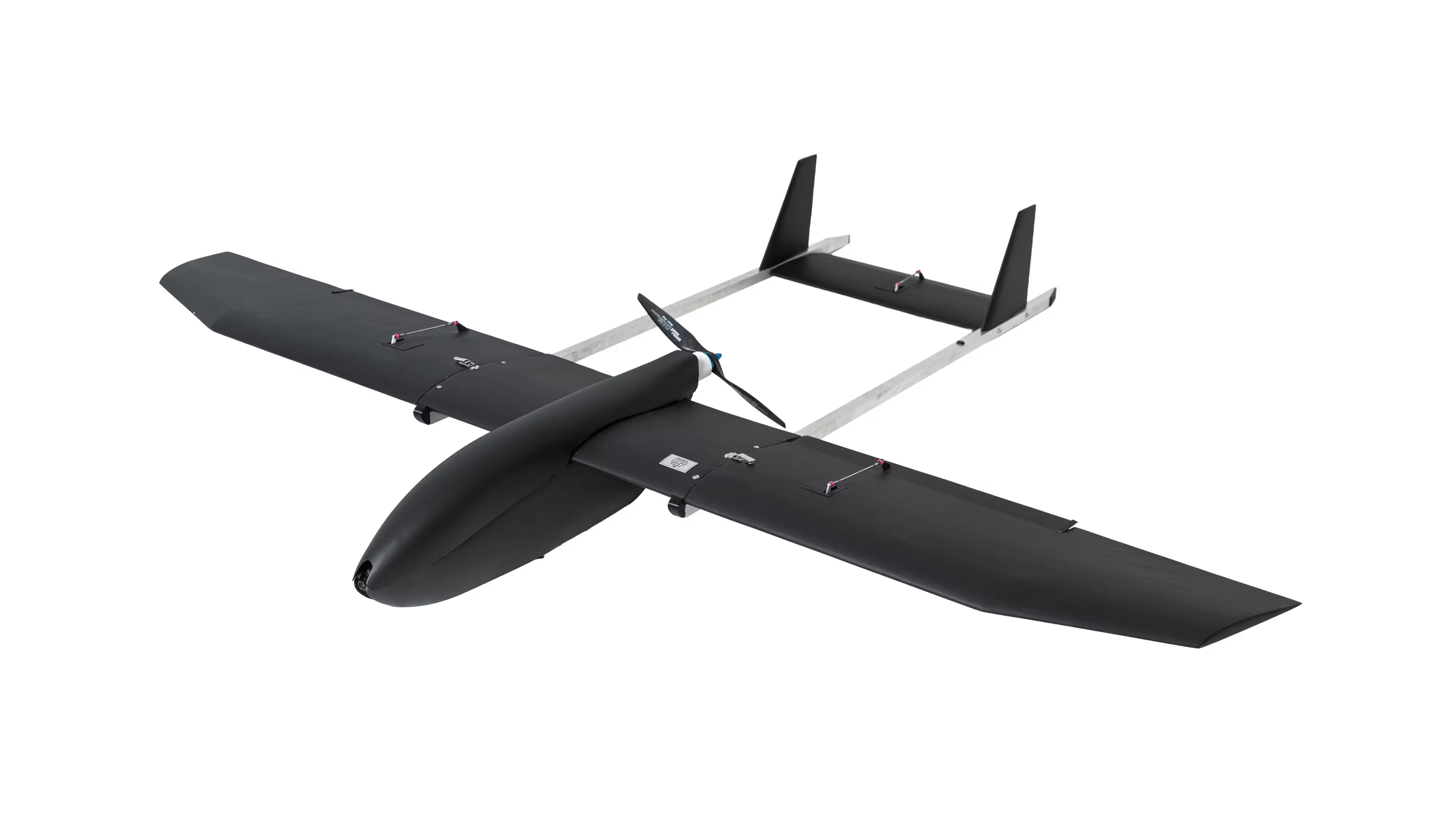
Balaban can stay airborne for up to 2.5 hours, has a range of up to 80 km, and a maximum speed of up to 260 km/h.
Is Balaban a reusable interceptor?
Yes. Balaban is designed as a reusable platform for patrolling and responding to aerial threats.
Can a drone be intercepted without a kinetic strike?
Yes. Karakurt uses a 3 × 3 m net for the physical capture of small aerial targets.
How do I choose between EW and physical drone interception?
The choice depends on the UAV type, how it is controlled, and the operating conditions. Layered defense can combine EW with physical interception.
Frequently asked questions
FAQ
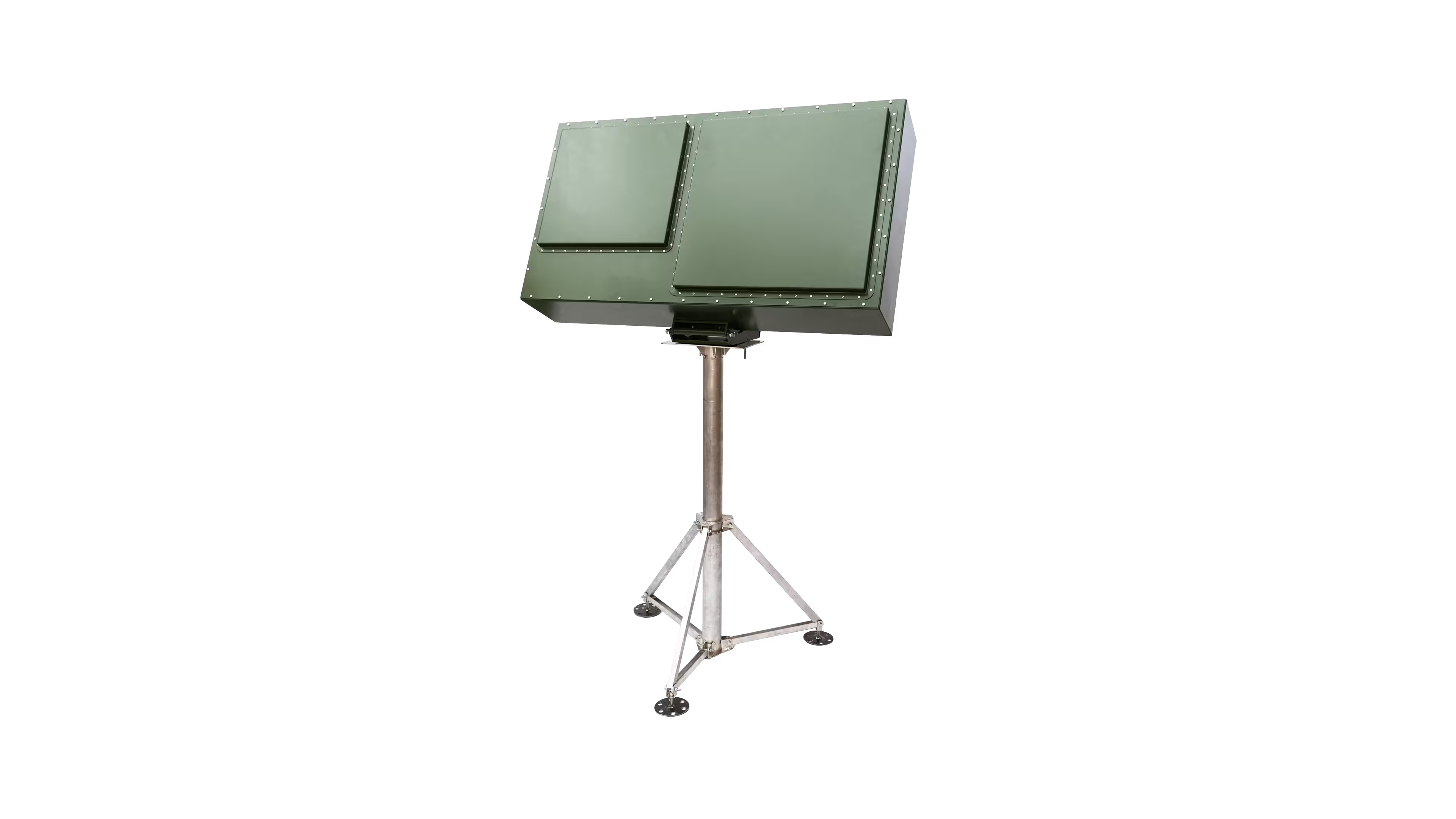
At what range can UAVs and FPV drones be detected?
Skydarix detects UAVs at ranges of up to 20 km, and FPV and small UAVs at up to 5 km.
How can the bearing to a drone's radio signal source be determined?
Radiotrex operates in the 300 MHz–8 GHz range and determines the bearing to the signal source with an accuracy of ≤3° RMS.
What is the range of RF direction finding?
Radiotrex provides a range of up to 30 km in line-of-sight conditions.
Can an FPV drone's video signal be detected and intercepted?
Yes. Streamhunter works with FPV video signals in the 800 MHz–8 GHz range, with an interception range of up to 30 km.
How many FPV channels can be detected simultaneously?
Streamhunter supports up to five simultaneous channels and provides a detection time of under one second.
Can radar, RF direction finding, and video interception be combined into a single system?
Yes. Data from different sensors can be fused in C2 to build a shared situational picture.
Frequently asked questions
FAQ
Which systems can be integrated into C2 KUPOL?
C2 KUPOL brings together data from detection, EW, and interception assets in a single command environment.
Can data from different sensors be viewed on a single map?
Yes. Data from connected systems is displayed on a shared map to build a unified situational picture.
How does C2 KUPOL reduce response time to an aerial threat?
The platform consolidates data from different assets in one interface, reducing the need for operators to cross-check information manually.
Can multiple detection and countermeasure assets be connected to C2 KUPOL at the same time?
Yes. The platform is designed to coordinate multiple sensors and countermeasures within a single C-UAS layer.
Is C2 KUPOL suitable for protecting large areas?
Yes. The platform can be used to coordinate distributed defense assets across large areas and critical infrastructure sites.
Can C2 KUPOL operate as part of a comprehensive C-UAS system?
Yes. That is one of its key tasks: uniting detection, EW, interception, and command into a single system.